
The Real Guide to DIY Wedding Planning (and What No One Tells You Until It’s Too Late)
DIY wedding planning has become one of the biggest trends in modern weddings. Couples want freedom, creativity, and a celebration that feels personal rather than packaged.
And honestly? That’s beautiful.
But there’s a gap between “we can plan this ourselves” and “we can actually enjoy the day we’ve planned ourselves”. And that gap is where most DIY weddings either thrive… or start to feel overwhelming.
So consider this your honest, slightly luxe, slightly reality-checked guide to DIY wedding planning in the UK, without losing the magic in the process.
Do You Need a Wedding Coordinator for a DIY Wedding?
Short answer: yes, if you want to actually experience your wedding instead of running it.
This is where most couples get caught out. A venue coordinator is often included, and that can feel reassuring. But the keyword here is venue.
A venue coordinator vs wedding coordinator is not the same role. (P.S. This isn’t slating venue coordinators at all, they are absolute superstars. They’re just often managing the venue’s flow, not solely focused on you as a couple, and that distinction matters.)
A venue coordinator typically focuses on:
Venue logistics and operations
Catering timings and supplier access
Room turnover and site management
Making sure the venue runs smoothly
A wedding coordinator (especially an on-the-day wedding coordinator) is focused entirely on you.
They are the person who:
Fixes your dress before you walk down the aisle
Runs upstairs when you’ve forgotten your lipstick
Keeps your timeline flowing without you ever looking at a clock
Solves problems before they reach you
And yes, does the very real-life things, like feeding your dog if needed or sorting last-minute chaos without drama (well, I would!)
This is not about replacing venue teams, far from it.
If you are planning a DIY wedding, especially in the UK, an on-the-day wedding coordinator or partial planning service is not a luxury, it’s structure.
Because otherwise, you become the project manager of your own wedding day. And that’s not the role you want in a dress you’ve spent months choosing.
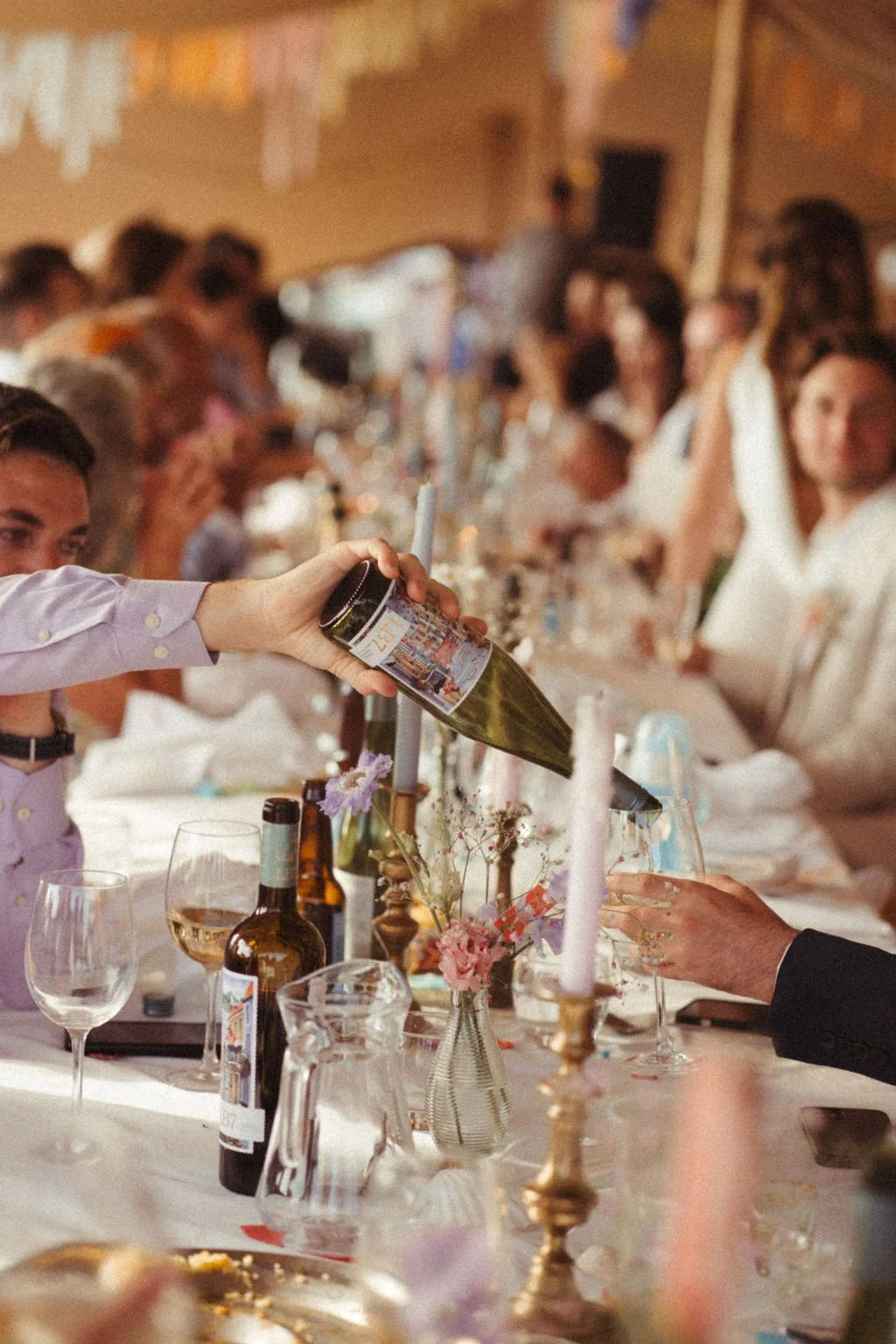
Why DIY Wedding Set-Up Support Is Non-Negotiable
Even if you’re not hiring full planning support, wedding set-up coordination is where everything changes.
This is the part no one warns you about: someone still has to physically make your vision happen.
Tables don’t style themselves. Candles don’t place themselves. Florals don’t magically arrive installed.
If you don’t have a coordinator, you need someone responsible for:
Setting up décor and table styling correctly
Ensuring everything is finished before you arrive
Otherwise, your morning becomes a stress cycle of “just one more thing” instead of getting ready calmly, sipping something cold, and actually being present.
DIY Wedding Bar Planning: How Much Alcohol Do You Actually Need?
DIY bar setups are where budgets either shine or completely unravel.
A simple, reliable wedding alcohol calculator guideline:
Standard rule:
1 drink per guest per hour
So for a 5-hour reception:
Roughly 5 drinks per guest total
But let’s make this more real:
Typical 100-guest wedding (5 hours):
25–30 bottles of wine
200–250 beers/ciders
8–12 bottles of spirits (if cocktails or mixers are included)
Soft drinks equivalent to 30–40% of alcohol volume
A few honest truths here:
People drink faster in the evening
Wine always runs out before anything else
Cocktail menus sound fun but increase staffing and complexity massively
Overcomplicated DIY bars often become the most chaotic part of the day
This is also where professional staffing changes everything.
Why Wedding Bar Staff Matter (Especially for DIY Weddings)
If you’re planning a DIY wedding bar, professional staffing is not optional if you want it to feel smooth.
A service like Serve is exactly what transforms a “self-serve drinks situation” into a proper bar experience.
Good bar staff:
Control flow and pacing of drinks
Manage stock so nothing runs out unexpectedly
Keep glassware and service areas clean
Prevent over-serving situations
Allow you and your guests to actually enjoy the day
Without staffing, someone from your family inevitably ends up “working” your wedding. And that’s never part of the plan at the start.
Wedding Catering: This Is Not the Area to DIY
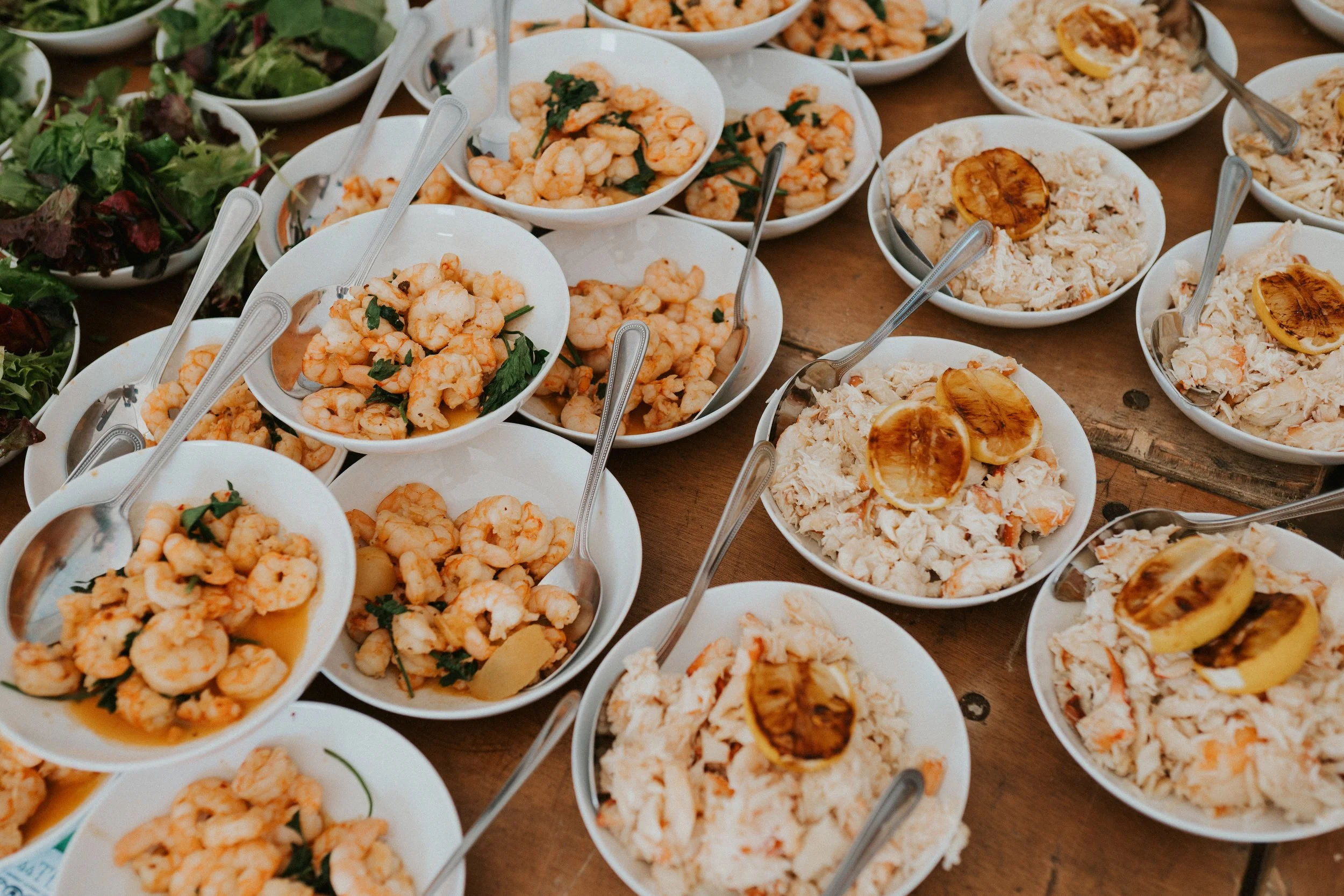
If there is one place to invest properly, it’s food.
Professional wedding caterers don’t just cook, they design the rhythm of your reception.
Good catering ensures:
No long gaps between courses
Dietary requirements handled seamlessly
Service feels elegant, not rushed or chaotic
Guests feel looked after throughout
DIY food service or under-resourced catering teams tend to create one thing: delays that ripple through the entire day.
This is one of those invisible decisions that defines the guest experience.
Wedding Cakes: Why DIY Isn’t Always Worth the Risk
There is something romantic about a homemade wedding cake.
But weddings are not stable environments.
Heat, timing, transport, refrigeration, humidity, these all matter more than people expect.
Even in places like Cornwall in summer, cake structures can soften or collapse if they’re not professionally built and stored correctly.
A wedding cake is not just baking, it’s structural design under pressure.
I always recommend working with experienced cake designers who understand both aesthetics and stability. I also have a carefully selected list of trusted cake makers I regularly recommend to couples.
Wedding Flowers: Beautiful, But Far Less Forgiving Than They Look
Flowers are one of the most underestimated parts of DIY wedding planning.
Fresh florals require:
Correct hydration timing
Temperature control
Proper conditioning and prep
Structural knowledge for bouquets and installations
Without this, flowers can droop or open too quickly, meaning they don’t look how you envisioned by the time your ceremony begins.
A florist’s role is not just arrangement, it’s preservation.
If you’re set on DIY florals, you need a very controlled environment and realistic expectations around timing.
Wedding Photography: Please Don’t Make This a Casual Decision
There is always a temptation to assign Uncle Bob to do the photos as he has a good camera.
But wedding photography is not about equipment, it’s about timing, anticipation, and storytelling.
This is the one part of your wedding you will return to for years.
When photography is not professionally handled, you risk:
Missing key emotional moments
Inconsistent coverage of the day
No structured storytelling of your wedding
In simple terms: you only get one chance at this.
When DIY Wedding Planning Becomes Too Much
DIY weddings are meant to feel creative, personal, and exciting.
But without structure, they can quietly turn into a second full-time job.
And that’s usually when couples realise they don’t need less support, they need the right support in the right places.
That’s exactly where partial planning and on-the-day coordination comes in.
It’s not about taking over your wedding.
It’s about making sure you actually get to live it.
When the structure is right, the day stops being something you manage and becomes something you fully live.
If you’re planning a DIY wedding but want the reassurance of expert coordination behind the scenes, I offer services that keep everything running seamlessly, so you don’t have to think about a thing.